
Bangkok Thailand - Grand Temples, Street Food & Modern City Energy
Bangkok Thailand is the capital of Thailand and the country’s largest city, located along the Chao Phraya River in central Thailand. Known for its historic temples, vibrant street life, shopping districts, and skyline hotels, Bangkok is often the starting point for trips across the country - from island escapes to northern mountain cities. It combines royal heritage sites such as the Grand Palace with modern malls, rooftop bars, and one of Southeast Asia’s most dynamic food scenes.
Bangkok Thailand is one of the most exciting destinations in Southeast Asia, offering culture, food, shopping, and nightlife in one dynamic city.
Understanding Bangkok as a Destination
Bangkok is the capital of Thailand and the country’s political, economic, and cultural center. Located along the Chao Phraya River, the city blends historic royal landmarks, dense urban neighborhoods, riverside temples, and modern business districts. It is typically the main international gateway into Thailand and often the first stop on most itineraries. For official destination information, see the Tourism Authority of Thailand.
What defines Bangkok is contrast. Traditional markets sit near elevated train lines, golden temple spires rise behind glass towers, and quiet residential sois branch off major traffic arteries. The city can feel intense at first, but with the right base and transport planning, it becomes manageable and highly rewarding.
Historic Landmarks and Urban Landscapes
Bangkok’s historic core includes major royal and religious landmarks such as the Grand Palace, Wat Phra Kaew, and Wat Pho. Across the river, Wat Arun stands as one of the city’s most recognizable temple silhouettes.
Beyond the historic district, the skyline shifts to shopping malls, office towers, rooftop bars, and large public parks. Areas such as Sukhumvit, Silom, and Ratchaprasong combine hotels, dining, and transport links in compact zones.
Accommodation Areas and Where to Stay
Bangkok offers one of the widest accommodation ranges in Southeast Asia—from budget guesthouses and boutique hotels to international luxury brands and riverside properties. Area choice has a direct impact on daily travel time and overall experience.
Many visitors choose to stay near BTS Skytrain or MRT stations for easier movement across the city. Riverside hotels offer scenic views and quieter surroundings, while central districts provide direct access to shopping, dining, and nightlife.
Food, Markets, and City Life
Bangkok is widely recognized for its street food culture, local markets, and diverse dining scene. From traditional food stalls to modern restaurants and rooftop venues, the city offers a broad range of culinary experiences.
Night markets, floating markets in nearby provinces, and large shopping complexes add to the city’s variety. Even short stays often combine temple visits, food exploration, and neighborhood walks.
Who Bangkok Is Best For
Bangkok suits first-time visitors to Thailand, city travelers, and anyone interested in culture, food, shopping, and urban exploration. It works well as both a short introduction to the country and a multi-day city break.
Travelers seeking beaches, quiet landscapes, or resort-style relaxation typically use Bangkok as a starting point before continuing to other destinations.
Getting Around and Practical Considerations
Getting around Bangkok is easier when using public transport. The BTS Skytrain and MRT subway connect many major districts, while river boats operate along the Chao Phraya. Taxis and ride-hailing services are widely available, though traffic can be heavy during peak hours.
Bangkok is served by two main airports: Suvarnabhumi Airport (BKK) and Don Mueang International Airport (DMK). This makes the city a central transport hub for domestic flights, regional travel, and connections to island and northern destinations across Thailand.
How to Get to Bangkok
Bangkok is Thailand’s main transport hub, served by Suvarnabhumi Airport (BKK) and Don Mueang Airport (DMK). The city is well connected by domestic flights, trains, and long-distance buses from all major regions of Thailand.
Direct flights connect Koh Samui with Bangkok daily and are the fastest option. Alternative routes involve a ferry to the mainland (Surat Thani) followed by a train, bus, or flight to Bangkok, which significantly increases travel time.
Phuket is connected to Bangkok by frequent daily flights (around 1–1.5 hours). Long-distance buses are available but typically take 12–14 hours depending on traffic and schedule.
Flights from Chiang Mai to Bangkok take about 1 hour. Trains (including overnight sleepers) and buses also operate on this route, offering slower but lower-cost alternatives.
Where to Stay in Bangkok
Bangkok’s accommodation is spread across distinct neighborhoods, each with a very different rhythm. Some areas are backpacker-focused and social, others are business-oriented and upscale, while certain districts are best for shopping and direct BTS/MRT access. Choosing the right area shapes your daily travel time, dining options, and overall city experience.
Khao San Road and its surrounding streets are known for budget stays, nightlife, and a highly social atmosphere. It’s close to the Grand Palace and river area, but lacks direct BTS/MRT access.
- Best for: backpackers, short stays, nightlife
- Vibe: energetic, casual, international
- Access: taxis, buses, river boats
Siam is Bangkok’s retail core, home to major malls and direct BTS connections. It’s highly central and convenient, especially for first-time visitors who want everything within walking distance.
- Best for: first-time visitors, shopping
- Vibe: busy, modern, central
- Access: BTS interchange hub
Sathorn and Silom combine business districts, rooftop bars, and easy BTS/MRT connections. The area also provides access to the Chao Phraya River and Lumpini Park.
- Best for: business trips, rooftop dining
- Vibe: urban, polished, active
- Access: BTS + MRT + river boats
Asok sits at a major BTS and MRT interchange, making it one of the most practical bases in Bangkok. The area offers hotels, dining, and nightlife within walking distance.
- Best for: convenience, short city stays
- Vibe: central, connected, lively
- Access: BTS + MRT interchange
Phrom Phong is known for upscale malls, international dining, and Benchasiri Park. It’s popular with families and long-stay visitors.
- Best for: families, longer stays
- Vibe: modern, residential, refined
- Access: BTS Sukhumvit Line
Bangkok Riverside offers views over the Chao Phraya River, luxury hotels, and easy access to cultural landmarks like the Grand Palace and Wat Arun. It’s quieter at night compared to Sukhumvit areas.
- Best for: luxury stays, culture-focused trips
- Vibe: scenic, historic, refined
- Access: river boats + BTS connections
When to Visit Bangkok
Bangkok can be visited year-round, but weather, humidity, and air quality can noticeably affect your experience. Unlike Thailand’s island destinations, rainfall here rarely cancels plans completely — but heat and traffic can shape your daily pace.
This is generally considered the most comfortable period to explore Bangkok. Temperatures are slightly lower, humidity is more manageable, and rainfall is typically lighter. It’s ideal for temple visits, walking tours, rooftop bars, and outdoor markets.
December and January are peak travel months, so hotel prices may be higher and major attractions busier.
Bangkok becomes noticeably hotter during these months, with daytime temperatures often rising significantly. Sightseeing is still very possible, but planning indoor breaks (malls, cafés, museums) can make the experience more comfortable.
April includes the Thai New Year (Songkran), which brings city-wide water celebrations and a very different atmosphere.
Rainfall is more frequent during these months, typically arriving as short but heavy tropical downpours. Flooding can occasionally affect traffic, though public transport (BTS/MRT) continues operating normally.
In exchange, hotel rates can be more competitive and major attractions slightly less crowded compared to peak season.
Top Bangkok experiences
Start with the most popular attractions in Bangkok, then explore the full list.
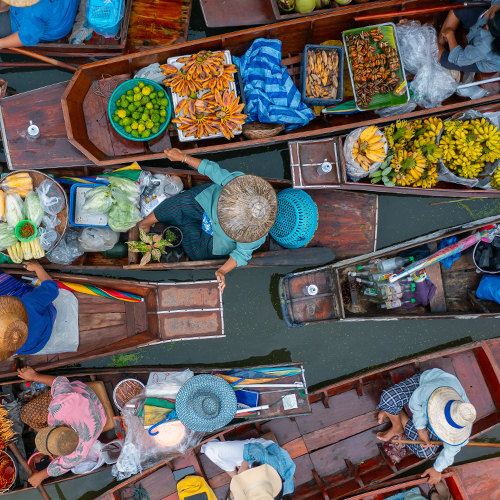
Bangkok Floating Market
A classic Bangkok day trip with boats, local food, and authentic atmosphere.
Explore attraction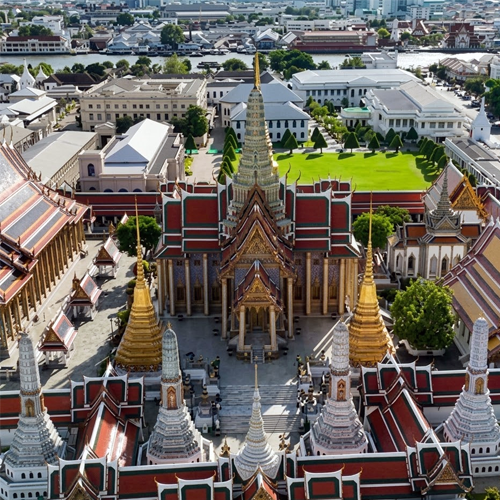
Bangkok City Tour
See temples, landmarks, and the highlights of Bangkok in one day.
Explore attraction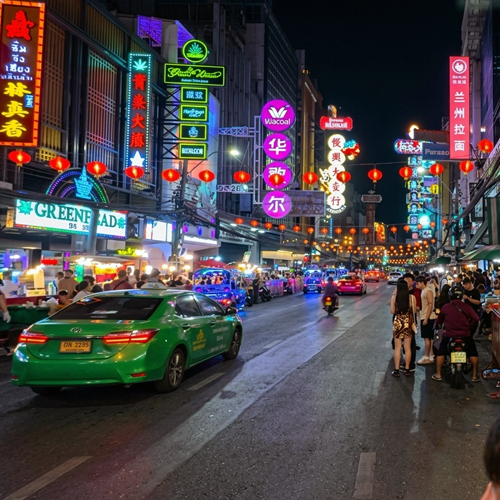
Bangkok Night Tour
Experience Bangkok after dark with lights, markets, and vibrant streets.
Explore attractionContinue Exploring
Choose how you’d like to explore Thailand next